Science
Unlocking the Universe's Secrets, One Experiment at a Time! 🔬✨
Featured partners and sponsors
New advertisers get $25 in ad credits
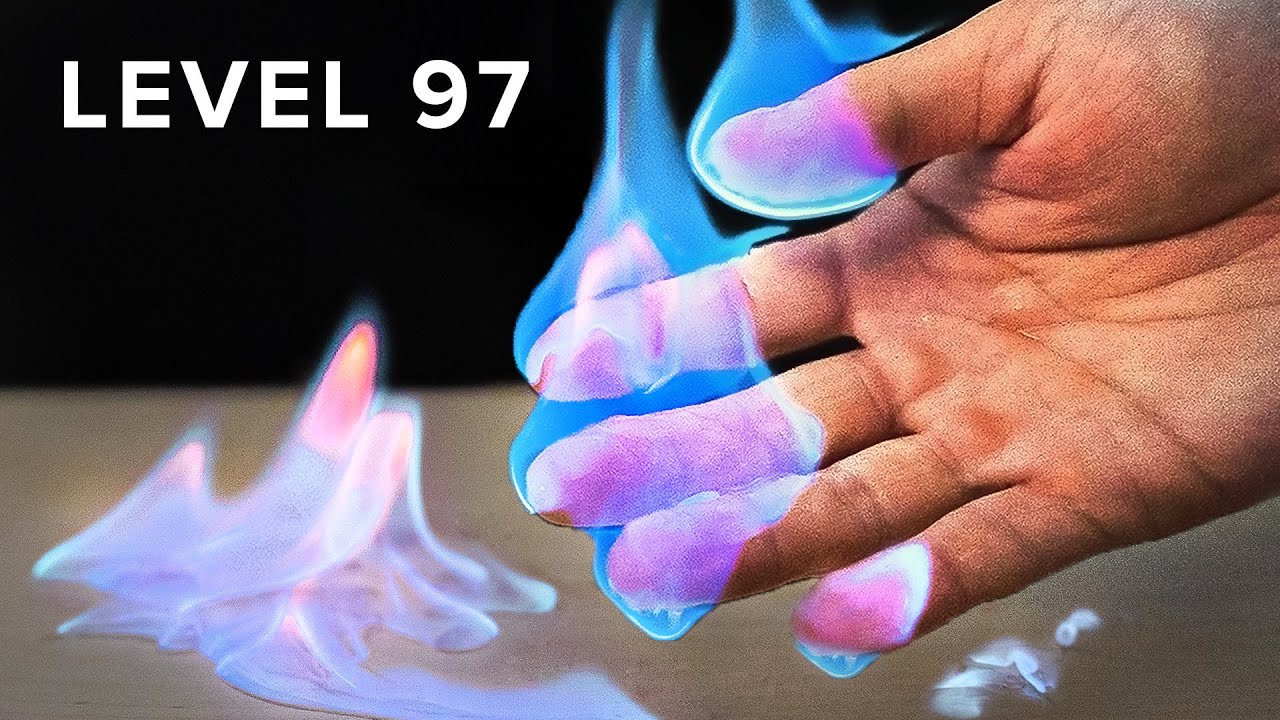
Level 1 to 100 Science Experiments
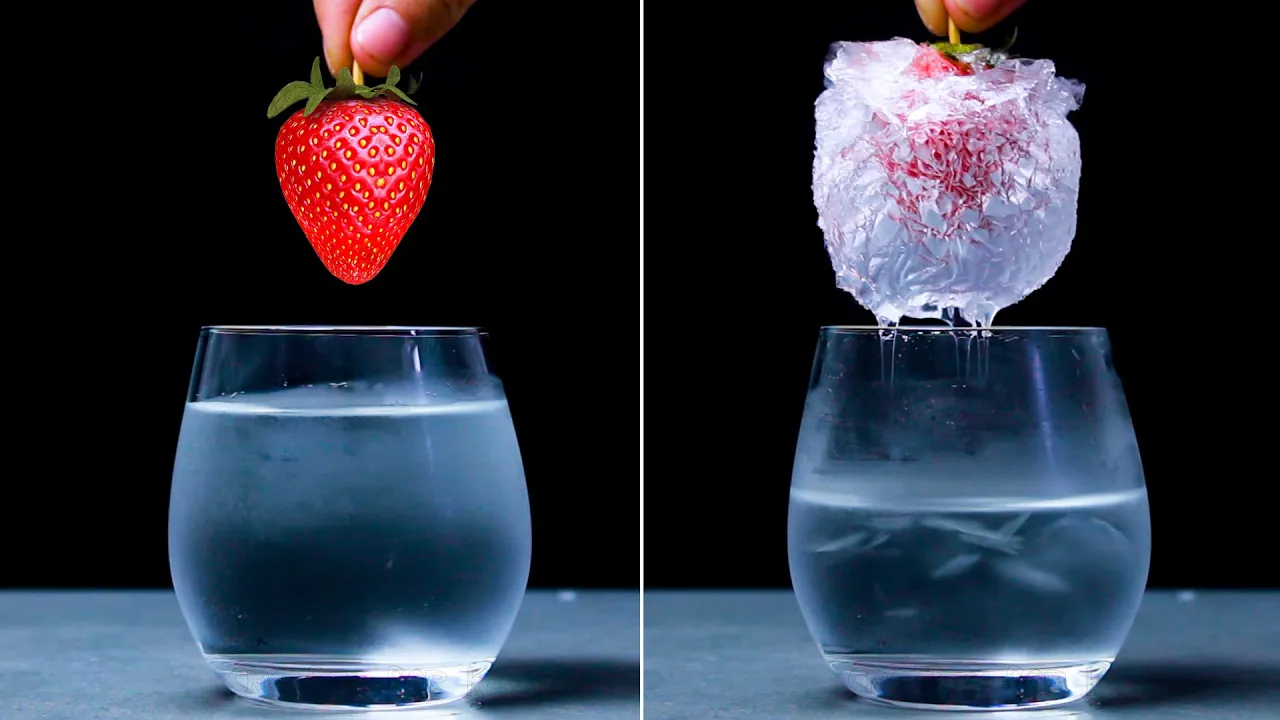
EASY SCIENCE EXPERIMENTS TO DO AT HOME
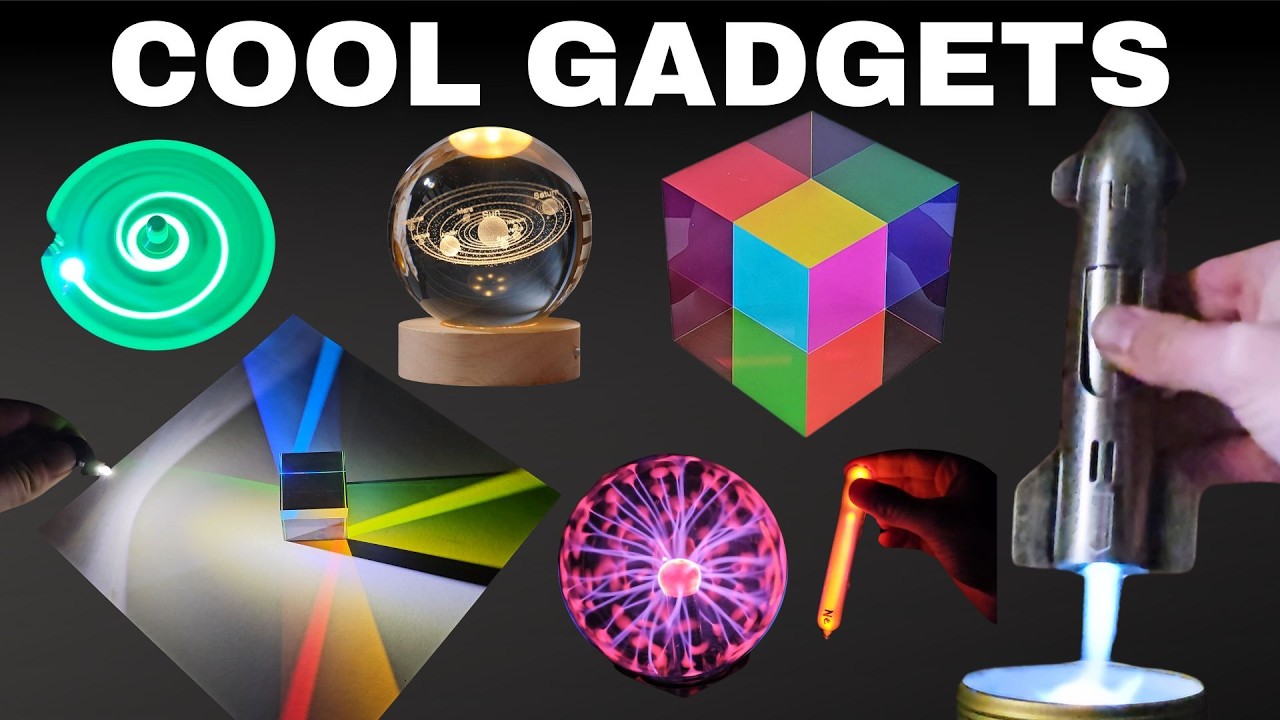
38 Cool Gifts for Science Lovers!
⚡ THE VIBE
✨Science is humanity's most powerful tool for understanding the natural world, a systematic and empirical pursuit of knowledge that has reshaped our existence and continues to unveil the universe's deepest secrets. It's not just a collection of facts, but a dynamic process of questioning, observing, experimenting, and refining our understanding of everything from the smallest [subatomic particles](subatomic-particles) to the vastest [galaxies](galaxy).
§1What is Science, Anyway? 🤔
At its heart, science is a systematic and logical approach to discovering how the universe works. It's not a collection of facts, but rather a method for questioning, exploring, and building reliable knowledge about the natural and social world. Think of it as a grand, never-ending detective story, where every experiment is a clue and every theory is a potential explanation waiting to be tested. From the intricate dance of atoms to the sprawling majesty of galaxies, science provides the lens through which we can truly see and comprehend. It's about being curious, asking 'why?', and then diligently seeking evidence-based answers. 🧐
§2The Scientific Method: Our Guiding Star ⭐
The bedrock of all scientific endeavor is the scientific method. It's a flexible framework, not a rigid checklist, but its core principles remain constant: observe a phenomenon, formulate a hypothesis, design experiments to test that hypothesis, collect and analyze data, and then draw conclusions. These conclusions, in turn, often lead to new questions and further investigation! It's an iterative, self-correcting process. This rigorous approach, emphasizing empirical evidence and falsifiability, is what distinguishes science from mere speculation or belief. It's why we trust scientific findings – because they've been put through the wringer, challenged, and validated by a community of critical thinkers. 🔬📊
Key steps include:
- Observation: Noticing something intriguing.
- Question: Asking 'how?' or 'why?'.
- Hypothesis: Proposing a testable explanation.
- Experimentation: Designing and conducting tests.
- Analysis: Interpreting results.
- Conclusion: Determining if the hypothesis is supported or refuted.
§3A Journey Through Time: Science's Epic Evolution 🕰️🚀
The roots of science stretch back millennia, long before the term 'scientist' even existed. Ancient civilizations, from the Mesopotamians tracking celestial bodies to the Egyptians mastering engineering, laid foundational stones. However, the true philosophical and methodological shift began with thinkers like Aristotle in Ancient Greece, who emphasized observation and logic. The Islamic Golden Age saw incredible advancements in mathematics, optics, and medicine. Then came the Scientific Revolution of the 16th-18th centuries, a period that fundamentally transformed human understanding. Figures like Copernicus, Galileo, and Newton shattered old paradigms, establishing modern physics and astronomy. The 19th and 20th centuries brought forth Darwin's theory of evolution, Einstein's relativity, and the mind-bending world of quantum mechanics, forever altering our perception of life, space, and time. Today, science continues its rapid acceleration, fueled by global collaboration and exponential technological growth. 🌐
§4The Impact: Shaping Our World, Our Future 🌐🔮
The impact of science is simply immeasurable. Every facet of modern life, from the smartphone in your hand 📱 to the medicine that keeps us healthy 💊, is a direct result of scientific discovery and technological innovation. Science has:
- Extended human lifespans: Through breakthroughs in medicine, sanitation, and nutrition.
- Connected the globe: Via telecommunications, the internet, and transportation.
- Unveiled cosmic wonders: From distant exoplanets to the origins of the universe.
- Empowered sustainable solutions: Driving research into renewable energy and environmental conservation.
Beyond practical applications, science profoundly influences our worldview. It challenges dogma, fosters critical thinking, and encourages a sense of wonder. It reminds us that there's always more to learn, more to explore, and that our understanding is constantly evolving. It's the ultimate engine of progress and enlightenment. 🌟
§5Challenges & The Road Ahead 🚧🛣️
Despite its triumphs, science faces ongoing challenges. Issues like misinformation, funding disparities, and the ethical implications of rapidly advancing technologies (e.g., AI ethics, gene editing) require careful navigation. The scientific community also grapples with ensuring diversity and inclusion, making science accessible to all. Yet, the future of science is brighter and more exciting than ever! We're on the cusp of understanding consciousness, colonizing other planets, curing previously incurable diseases, and unlocking the secrets of dark matter and dark energy. The next generation of scientists, armed with ever more powerful tools and a global collaborative spirit, will continue to push the boundaries of human knowledge, ensuring that the grand adventure of discovery never ends. Let's keep exploring! 🚀🌌