The Roman Empire
From Republic's Ashes to a Millennium of Might and Majesty! 🏛️
Featured partners and sponsors
New advertisers get $25 in ad credits

The Complete History Of The Roman Empire In 4 Hours | Empire Without Limit (Full Series)
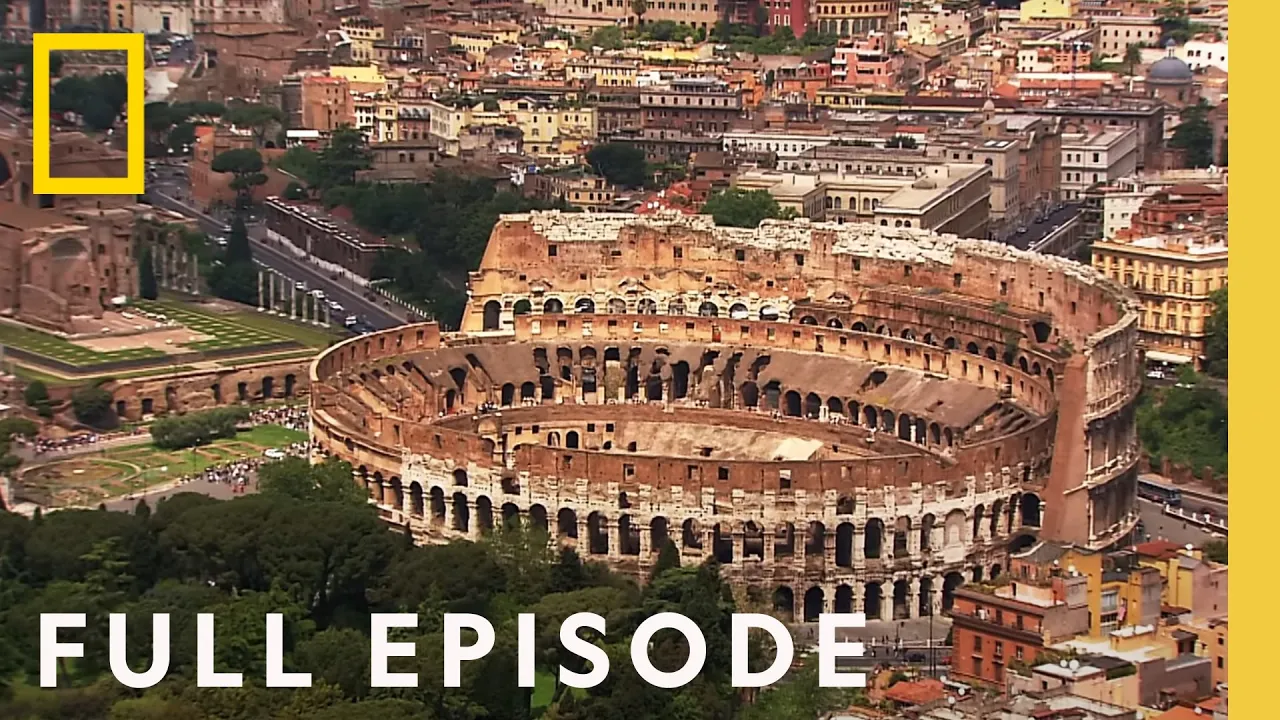
The Rise of the Roman Empire (Full Episode) | Drain the Oceans
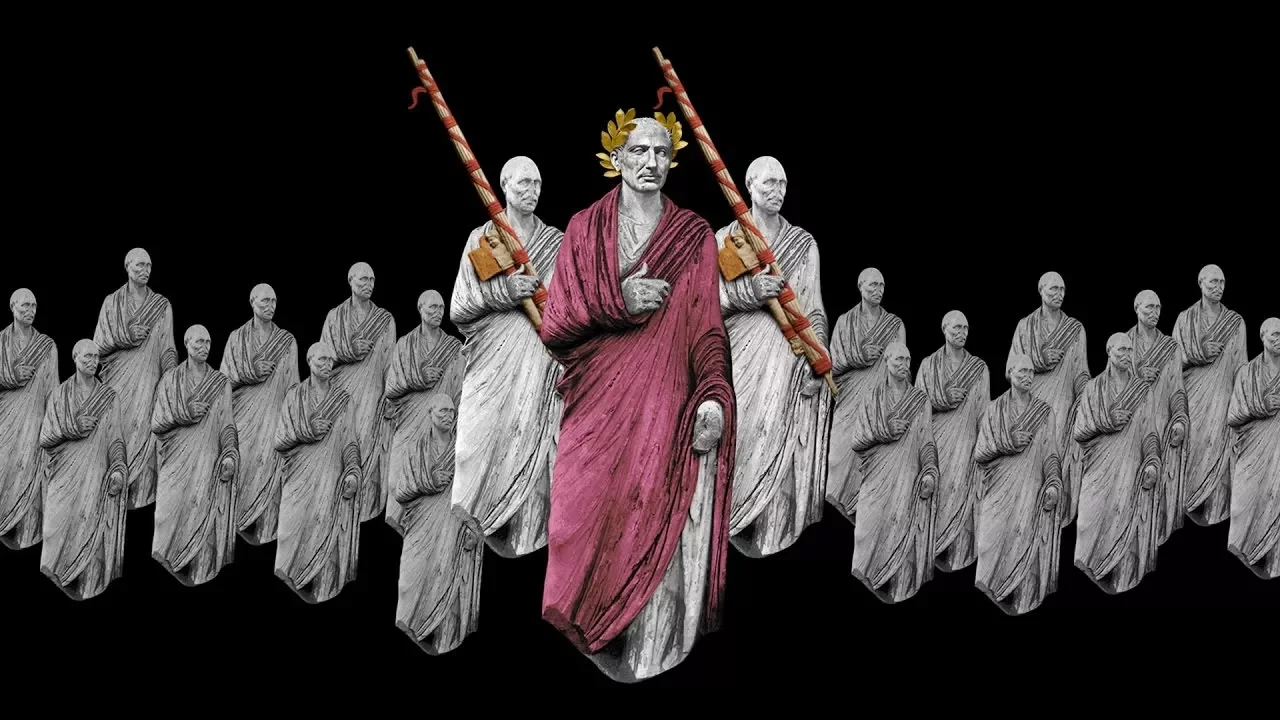
Ancient Rome in 20 minutes
⚡ THE VIBE
✨The Roman Empire was an colossal civilization that dominated the Western world for over a thousand years, leaving an indelible mark on law, language, architecture, and governance that still resonates today. It's the ultimate epic saga of power, innovation, and enduring legacy! 🌟
§1The Rise from Republic to Empire 👑
Imagine a world where a single city, Rome, grew from a small settlement into the beating heart of a vast republic, then transformed into an empire spanning three continents! 🤯 The shift from the Roman Republic to the Empire wasn't a sudden event, but a tumultuous period marked by civil wars and the rise of charismatic figures. After decades of internal strife, the adoption of Octavian (later known as Augustus) as the first Roman Emperor in 27 BCE signaled the dawn of a new era. This wasn't just a change in leadership; it was a fundamental re-imagining of power, centralizing authority and ushering in the Pax Romana, a period of unprecedented peace and prosperity. It's like the ultimate glow-up for a nation! ✨
§2Engineering Marvels & Enduring Legacy 🏗️
The Romans were not just conquerors; they were master builders and brilliant innovators. Their engineering prowess is still breathtaking. Think of the aqueducts that brought fresh water to bustling cities, the intricate network of roads that connected the empire like a superhighway system, and monumental structures like the Colosseum and the Pantheon that still stand as testaments to their genius. But their legacy extends far beyond concrete and stone. Roman law forms the basis of many modern legal systems, their Latin language is the root of Romance languages like Spanish, French, and Italian, and their concepts of citizenship and governance continue to influence political thought. It’s hard to overstate their impact – they literally wrote the playbook for much of Western civilization! 📜
§3The Pax Romana and Imperial Expansion 🛡️
Under emperors like Augustus, Trajan, and Hadrian, the Roman Empire reached its territorial zenith, stretching from Britain to Mesopotamia, and from North Africa to the Rhine. This era, known as the Pax Romana (Roman Peace), lasted for over two centuries and was characterized by relative stability, economic growth, and cultural flourishing. It was a time when goods, ideas, and people flowed freely across vast distances, fostering a truly interconnected world. Imagine the sheer logistical challenge of governing such a diverse and expansive dominion! The Romans achieved this through a combination of military might, shrewd administration, and the integration of conquered peoples into their vast system. They were the ultimate globalizers of their time! 🌐
§4Decline, Division, and the Fall 💔
Even the mightiest empires eventually face their twilight. The decline of the Roman Empire was a complex, multi-faceted process, not a single event. Factors included:
- Economic instability and inflation 💰
- Political corruption and frequent changes in leadership 📉
- Military overextension and constant border threats from Germanic tribes like the Goths and Vandals ⚔️
- Social unrest and a growing gap between rich and poor 🧑🤝🧑
In 395 CE, the empire formally split into the Western Roman Empire and the Eastern Roman Empire (later known as the Byzantine Empire). The Western half, with its capital in Rome, eventually succumbed to barbarian invasions, traditionally marked by the deposition of Emperor Romulus Augustulus in 476 CE. The Eastern Empire, centered in Constantinople, continued to thrive for another thousand years, preserving much of Roman culture and learning. It's a poignant reminder that even the most powerful structures can crumble. ⏳
§5Why It Still Matters: Echoes in the 21st Century 🕰️
The Roman Empire isn't just ancient history; it's a living, breathing influence on our modern world. From the layout of our cities to the words we speak, the legal principles we uphold, and even the political debates we engage in, the echoes of Rome are everywhere. Understanding its rise and fall offers invaluable lessons about governance, power, human nature, and the cyclical nature of civilizations. Historians and strategists still pore over its successes and failures, seeking wisdom for contemporary challenges. It's a reminder that truly great achievements, and equally profound mistakes, can shape millennia. What a legacy to ponder! 🤔