Impressionism
The brushstroke revolution that changed how we see the world 🎨
Featured partners and sponsors
New advertisers get $25 in ad credits

Impressionism in 8 Minutes: How It Changed The Course of Art 🎨
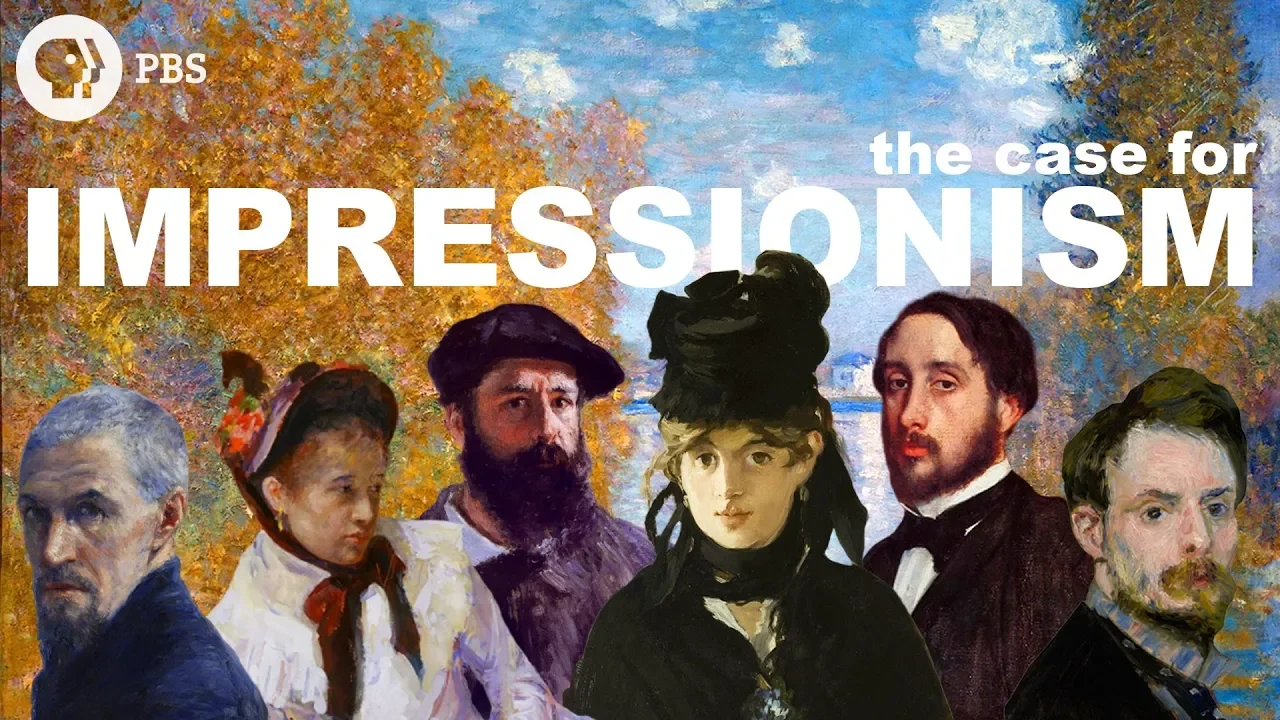
The Case for Impressionism

What is Impressionism? | Tate Kids
عندما تفكر في الفن في القرن التاسع عشر ، قد تتخيل الكثير من الموضوعات التاريخية الكبرى والمشاهد الأسطورية والموضوعات التقليدية! حسنًا ، هذا ما كان الفن عليه قبل أن يغير الانطباعيون مجراه إلى الأبد! لماذا تعتبر الانطباعية حركة فنية مهمة؟ ما هو الشيء الرائد في ذلك؟ لماذا نفكر في الانطباعيين على أنهم رواد الفن الحديث؟ العديد من الأسئلة ولكن لدينا الإجابات ، لذلك دعونا ندخلها! إذا كنت ترغب في مشاهدة المزيد من الحلقات الفنية ، فتأكد من إعطائنا إعجاب وإخبارنا بالموضوعات التي تريد التعرف عليها بعد ذلك! في القرن التاسع عشر في باريس كان المعرض الفني الرئيسي يسمى الصالون. تم تنظيم هذا المعرض السنوي من قبل أكاديمية الفنون الجميلة. وقد أحببت الأكاديمية الموضوعات التاريخية الكبرى والمشاهد الأسطورية والمواضيع التقليدية. يمكننا حتى أن نقول أن هيئة تحكيم الصالون كان لها ذوق متحفظ للغاية. اختارت هيئة المحلفين من الذي سيتم عرض أعماله وأولئك الذين لم يجروا القطع ، حصلوا على علامة R دراماتيكية لـ Rejected مختومة على ظهر اللوحة! ولكن بعد ذلك جاء الانطباعيون الذين لم يرغبوا في الجلوس وانتظار لجنة تحكيم الصالون لقبولهم. أرادوا الاستقلال عن الصالون وتوقعاته الفنية. أطلقوا على أنفسهم اسم المجتمع المجهول للرسامين والنحاتين وصانعي الطباعة! وقرروا تنظيم المعارض الخاصة بهم. أقيم معرضهم الأول في باريس عام 1874 في استوديو المصور الفرنسي نادر. وهكذا ، ولدت حركة الفن الحديث الشهيرة التي تسمى الانطباعية! قاد الحركة فنانون مثل كلود مونيه وإدغار ديغا وبيير أوغست رينوار وكاميل بيسارو وبيرث موريسو. وخلال الاثني عشر عامًا التالية ، وحتى عام 1886 ، أقام الانطباعيون 8 معارض خاصة بهم في المجموع. خذ هذا ، صالون باريس! جاء مصطلح الانطباعية من لوحة انطباع كلود مونيه ، شروق الشمس. يُظهر هذا العمل الشهير ميناء مدينة لاهافر في شمال فرنسا. وصف ناقد فني يدعى لويس ليروي هذه اللوحة بأنها انطباع ، لكنه قصدها بطريقة سيئة ، ووصف العمل بأنه غير مكتمل! لم يكن يعرف مدى شعبية الانطباعية! تخيلوا وجهه لو عرف أسعار أعمال مونيه في المزادات اليوم! بالمقارنة مع الرسم الأكاديمي المعروض في صالون باريس ، بدت الأعمال الانطباعية مختلفة بالفعل ، بدت أكثر عرضية وغير رسمية ، مع ضربات فرشاة فضفاضة وميل إلى عدم نسخ كل شيء بشكل واقعي من الط...
⚡ THE VIBE
✨Impressionism was a radical 19th-century art movement that turned the art world on its head, prioritizing the subjective perception of light and color over traditional academic exactitude, forever changing how we see and create art. It's like a visual diary of a single, shimmering instant! ☀️
§1The Dawn of a New Vision: What is Impressionism?
Imagine a world where art was all about perfect lines, historical narratives, and idealized forms. That was the art establishment of the mid-19th century. Then, like a splash of sunlight after a storm, Impressionism burst onto the scene, challenging every convention. It wasn't about what was painted, but how it was painted—focusing on the artist's immediate, subjective 'impression' of a scene, especially the changing effects of light and atmosphere. Think of it as a snapshot, but painted with vibrant, broken brushstrokes that capture the feeling of a moment rather than its photographic reality. 🖼️ This revolutionary approach often led to paintings that felt unfinished or sketchy to contemporary eyes, but they pulsed with life and spontaneity. It was a true paradigm shift in the history of Western Art.
§2From Salon Rejection to Global Phenomenon: Origins & History 🇫🇷
The story of Impressionism is one of rebellion and camaraderie. Frustrated by the rigid rules of the official French Salon, a group of young artists began exhibiting their work independently. Their first exhibition in 1874, held in the studio of photographer Nadar, featured Claude Monet's now-iconic painting, Impression, soleil levant (Impression, Sunrise). A critic, Louis Leroy, sarcastically coined the term 'Impressionists' to mock their 'unfinished' style, but the artists embraced it! 💪 This initial rejection fueled their resolve, and over the next decade, they held several more independent shows, refining their techniques and solidifying their unique vision. Key figures like Édouard Manet paved the way, but it was the core group—Monet, Renoir, Degas, Pissarro, Sisley, and Morisot—who truly defined the movement. Their shared goal was to capture the ephemeral quality of modern life, moving out of the studio and into the bustling streets of Paris and the serene landscapes of the French countryside. 🏞️
§3Brushstrokes of Light: Key Characteristics & Techniques 🎨
So, what makes an Impressionist painting Impressionist? It's all about the visual language! Artists embraced several groundbreaking techniques:
- Broken Brushstrokes: Instead of smooth, blended colors, they used short, thick dabs and strokes of paint, often unmixed on the canvas, to create a shimmering, vibrant surface. This allowed the viewer's eye to blend the colors optically.
- Emphasis on Light: This was the superstar! Impressionists were obsessed with capturing the changing effects of light at different times of day and in various weather conditions. Monet's series of haystacks and Rouen Cathedral are perfect examples. ☀️
- Plein Air Painting: Many artists took their easels outdoors (en plein air) to paint directly from nature, allowing them to capture the immediate sensory experience and the fleeting light.
- Vibrant Color Palette: They often avoided black and gray, preferring to mix colors to create shadows and highlights, resulting in brighter, more luminous canvases. They also experimented with complementary colors to heighten intensity.
- Everyday Subject Matter: Gone were the grand historical scenes. Impressionists painted landscapes, cityscapes, portraits of ordinary people, café scenes, ballet dancers, and domestic life—reflecting the changing world around them. ☕ These elements created a sense of immediacy and freshness that was revolutionary for its time. You can explore more about these techniques at the National Gallery of Art.
§4A Ripple Effect: Impact & Legacy 🌍
The impact of Impressionism was nothing short of monumental. It wasn't just a style; it was a philosophy that liberated artists from centuries of academic constraints. It opened the floodgates for subsequent movements, directly influencing Post-Impressionism (think Van Gogh, Cézanne, Gauguin), Fauvism, and even early forms of Abstract Art. 🚀 Its emphasis on individual perception, the artist's subjective experience, and the expressive potential of color and brushwork laid the groundwork for modern art as we know it. Today, Impressionist paintings are among the most beloved and recognizable works in the world, drawing millions to museums like the Musée d'Orsay in Paris and the Metropolitan Museum of Art in New York. Its vibrant spirit continues to inspire artists and captivate audiences, reminding us to look closely at the beauty in everyday moments. Its legacy is a testament to the power of artistic innovation and the enduring appeal of capturing light and life. 🌟